To my neighbours in Orleans and the elected officials representing us,
I am writing to you today as a resident, a parent, and a community advocate to give an update on the status of the Orleans Boulevard active transportation project. I also want to talk a little more about the future I want and see for our community.
The goal of the advocacy on this file has always been simple: to make Orleans Boulevard a safe and accessible route for everyone, whether they are walking, cycling, driving, or using public transit. This is about creating a vital multi-modal transportation artery that connects our neighbourhoods, local services and businesses, our schools, the beautiful Ottawa River pathways, and the new LRT stations. It’s a vision of a more connected, resilient, and vibrant Orleans.
A Story of Community Advocacy
This conversation is not new. The need for safer infrastructure on Orleans Boulevard has been recognized in the city’s transportation plans for years. In June, to again demonstrate the urgency and depth of community support for this project, I issued a call to action to demonstrate there is interest in advancing this project more quickly. The response was nothing short of incredible.
Dozens of residents took the time to write to our local councillors. The stories you shared were powerful and painted a vivid picture of the daily reality on this road. You spoke of profound safety concerns, especially on the Highway 174 overpass. Parents wrote about their fears for children trying to bike to one of the many schools along the route. Cyclists described being forced onto sidewalks because of unsafe road conditions. Your voices created a clear and undeniable chorus: the status quo is not safe enough, and doesn’t meet the transportation needs of all residents. Getting out and chatting with neighbours, I hear these stories constantly from people all across our community, and the feeling is palpable: it is unnecessary for a road in our community to feel so fundamental for efficient travel, but also so dangerous for anyone outside a vehicle. This is a choice that we perpetuate on many of our local roads through inaction and waiting.
Clarifying the Path Forward
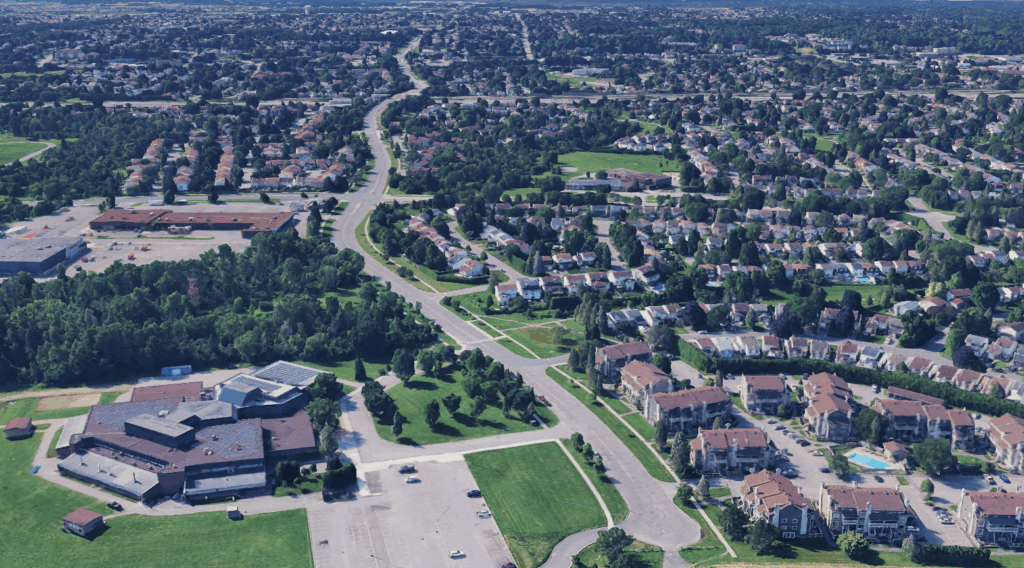
A central ambiguity in my letter in June resulted in some confusion about the project’s status and funding, and I think it’s important to set the record straight. The Orleans Boulevard active transportation project has not been cancelled or defunded in any way, and I certainly didn’t intend to imply that it wouldn’t be funded and completed eventually.
I want to make it clear to anyone reading this that Ward 2 Councillor Dudas’ commitment to the Orleans Blvd project is one of the main reasons it is as much of a priority as it is. She recently (at the end of June) even successfully filed a motion at the Public Works and Infrastructure Committee through the Transportation Master Plan to have the scope of the (priority) project extended all the way to Innes Road, which makes the project even more valuable.
Following my letter and the community response, I met with Councillor Dudas, in part about the ambiguity about the project being listed as a priority and yet also technically still being in need of dedicated funding. However, despite the ambiguity about priority and budget in my letter, I stand by the substance of my advocacy and the core message I shared with her, a message that has been shaped by countless conversations with neighbours like you. The need for a safer Orleans Boulevard is real and urgent.
The reality of the municipal budget process is that hundreds of worthy projects compete for limited funding each year, and cycling infrastructure is a tiny chunk of that budget. Overall, I believe that more funding for active transportation (cycling in particular) infrastructure should also be a part of this conversation. However, given the limited budget to go around, and within the context of Orleans, this project should absolutely be among the first ones funded from the Transportation Master Plan in the next budget cycle.
A project’s inclusion in a master plan (which Orleans Blvd is) is the first step, but it does not guarantee immediate or urgent construction. This is where your continued advocacy is so critical. Your emails and your voices were not a reaction to a “cancellation”; they were a proactive and inspiring step to attempt to elevate this project’s priority even within approved projects. You sent a clear message that this is a top priority for our community and deserves to be funded and built as soon as possible.
Where We Are Now and What I’m Asking For
The primary obstacle right now for this project is the completion and public release of the city’s traffic and design study for the Orleans Boulevard corridor (we are also waiting for the public release of a similar study for Jeanne d’Arc Boulevard North). This study will inform the design options, and having something concrete to talk about will ground this conversation as more than just a theoretical discussion about priorities.
But I also think it’s important to be clear about what this is really about to me. The conversation now has moved beyond the initial letter the Convent Glen Orleans Wood Community Association sent about “temporary” versus “permanent” measures. Safety measures are needed as soon as possible, and quick but temporary measures are a huge help until longer-term, more permanent solutions can be built in time.
The overwhelming sentiment is a desire for tangible safety improvements to be implemented as quickly as possible. Residents have made it clear to me that they are interested in seeing changes that will slow and calm traffic and better share the available road space between cars and other modes of transportation. This is because the tradeoffs mean that children, families, and everyone else can bike to school or around the community safely. It will also mean residents can access local amenities like businesses on St Joseph without feeling like they are taking a risk (similar changes are needed ON St Joseph to make this a reality as well, but these are already part of the Orleans Corridor Secondary Plan).
Takeaways
The core takeaway is this: the car-centric design of our arterial roads is a choice. For decades, we have made or supported policy choices that prioritize the movement of vehicles above all else, often at the expense of safety, community connection, and fiscal responsibility. We can now make a different choice, something we’re starting to do more across Ottawa. We can choose to build streets that are safe for all users. We can choose to build a community where you don’t need a car for every single trip.
I know from my conversations across our ward that there are so many of you who share this vision. You are not alone. We all deserve to move around our community in a way that makes us feel safe and connected.
The next step is for us to remain aware of and stay up to speed on the city’s plans for these spaces. We must continue to respectfully demand that the city release the imminent traffic study(ies) and present design options to the public. When they do, we must be ready to provide our detailed feedback and advocate for a solution that truly serves the needs of the entire community.
Thank you to every single person who has participated in this process so far. By continuing to work together, we can build the safer, more connected, and more vibrant Orleans that we all deserve.